
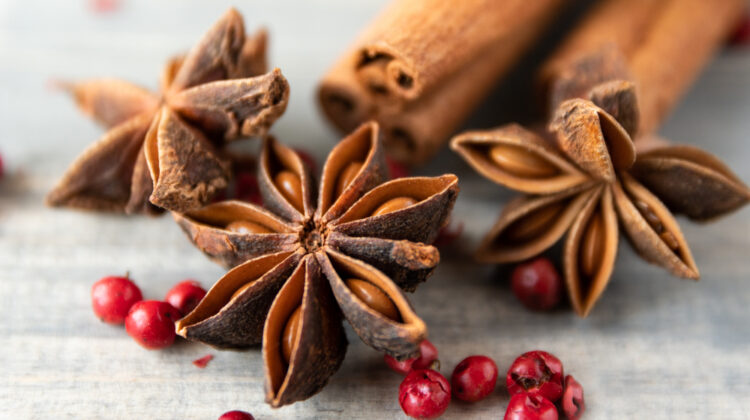
Picture this: wars fought over peppercorns, fortunes made from cinnamon sticks, and continents discovered in pursuit of nutmeg. Sound dramatic? That’s the power of spices—transforming history and your kitchen. If you’ve ever stared at those mysterious little jars in your spice rack, you’re about to unlock secrets that will transform your cooking. Get ready to discover how these flavor powerhouses shaped civilizations, why they’re priceless, and how you can use them to turn every meal into something extraordinary.
When Spices Ruled the World
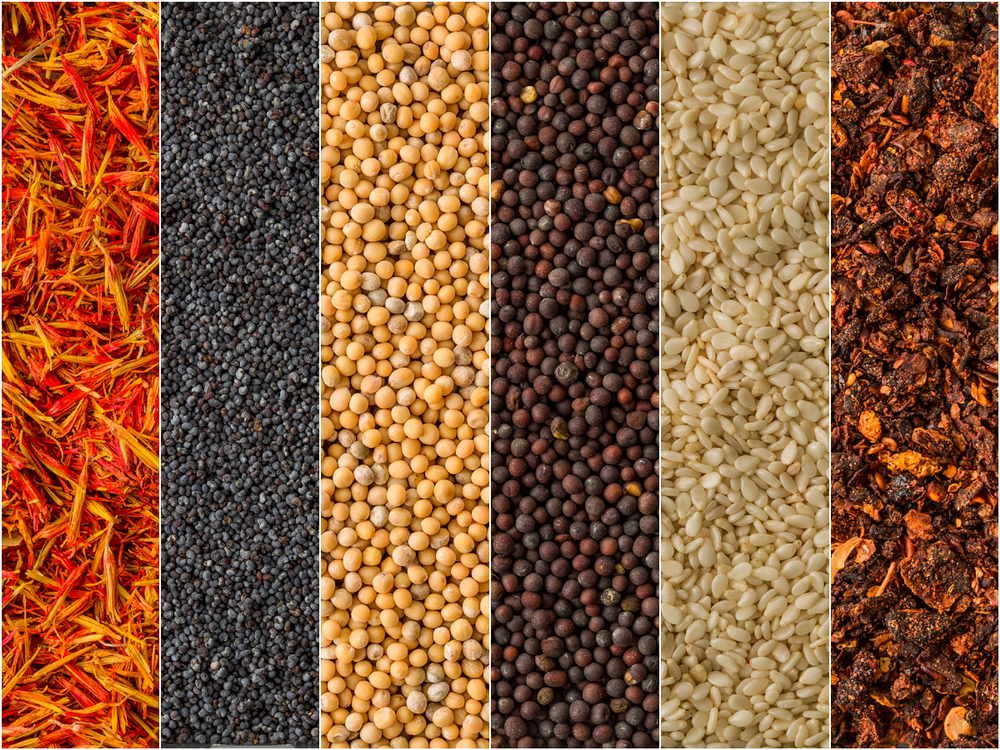
Think today’s billionaires are impressive? Meet the original spice traders! Archaeological studies show that humans have been obsessed with aromatic plants for 60,000 years in Iraq and China. By 3500 BCE, Egyptians were already using spices. Not just for mind-blowing flavors, but also for cosmetics and even mummifying pharaohs. Talk about multi-purpose!
The Original Global Economy
Here’s where things get seriously exciting. By 2000 BCE, the spice trade was absolutely booming throughout the Indian subcontinent and the Middle East. We’re talking about cinnamon and black pepper becoming the hottest commodities on Earth—literally worth more than gold! Cloves were already making waves in Mesopotamia by 1700 BCE, proving that humans have always known good flavor when they taste it.
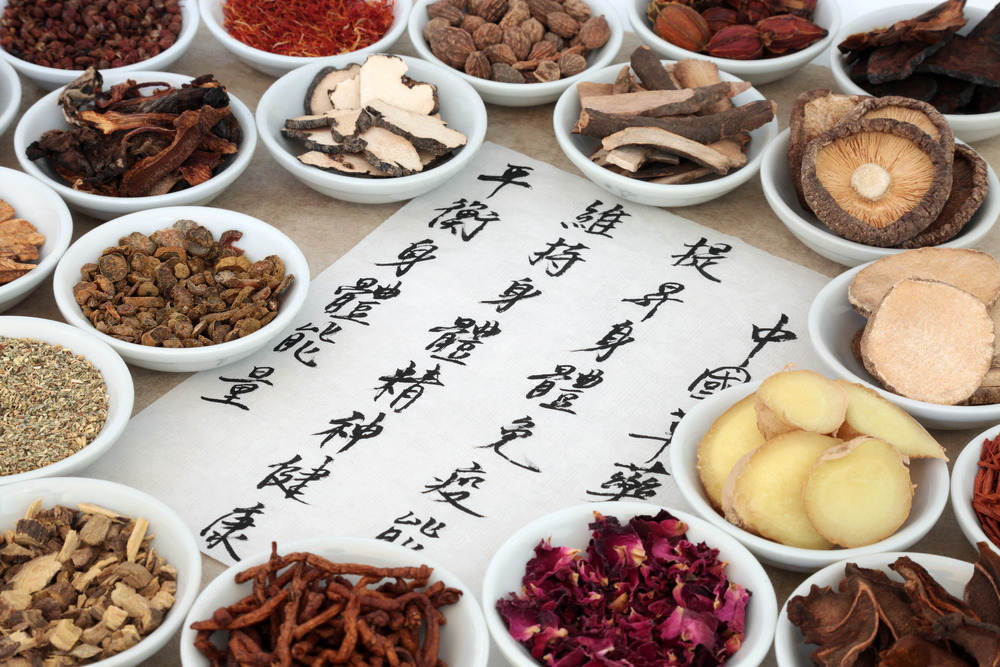
Want proof of how obsessed ancient civilizations were with spices? The earliest written records come from Egyptian, Chinese, and Indian cultures, including the incredible Ebers Papyrus from 1550 BCE, which describes 800 herbal remedies. These weren’t just mere recipes—they were true powerhouses of health!
The Great Spice Race

Here’s where history gets interesting. For nearly 5,000 years, Arab middlemen held a monopoly on the spice trade. Imagine being the only person who could deliver everyone’s flavor fix! This monopoly was so powerful that it launched the Age of Exploration.
Christopher Columbus sailed west in 1492. He thought he’d find a shortcut to the “Spice Central” of India, but instead stumbled upon America. Meanwhile, in 1498, Portuguese navigator Vasco da Gama sailed around Africa to India and returned home loaded with nutmeg, cloves, cinnamon, ginger, and peppercorns. Can you imagine being the first European to taste authentic Indian spices, fresh from the source?
Revolutionary Flavor
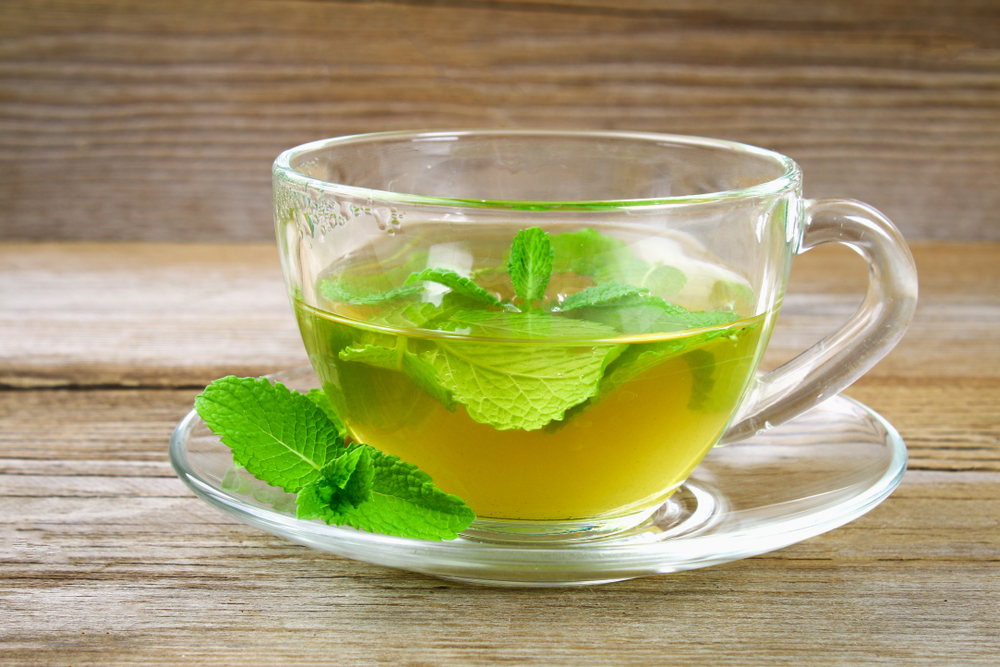
Even Americans’ ancestors were spice rebels! After the Boston Tea Party in 1773, drinking tea became unpatriotic. Americans got creative with spices and herbs as alternatives—think sassafras bark, chamomile flowers, and spearmint leaves. By the late 1700s, America had joined the global spice game, trading for pepper, cassia, cloves, cinnamon, and ginger.
Your Spice Cabinet: A World of Flavor Waiting to Happen
Ready to turn your kitchen into a flavor laboratory? Let’s talk about the superstars quietly waiting in your spice rack. Trust me, they’re capable of much more than you think.
The Heavy Hitters
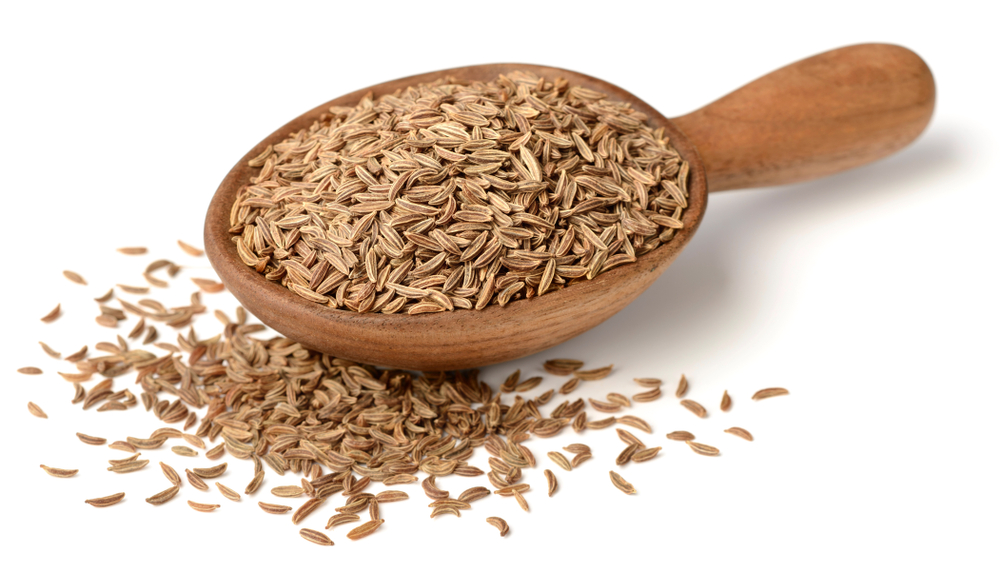
Cumin isn’t just for tacos. This earthy powerhouse is a secret weapon in Middle Eastern, Indian, Latin American, and Spanish kitchens. It delivers warm, earthy aromas, with spicy and subtly sweet notes that make your taste buds dance.
Fennel seed is like magic in a jar. Its subtle sweetness and licorice-like flavors transform everything from Italian sausages to homemade liqueurs. Pro tip: Try making fennel tea—it’s surprisingly addictive!
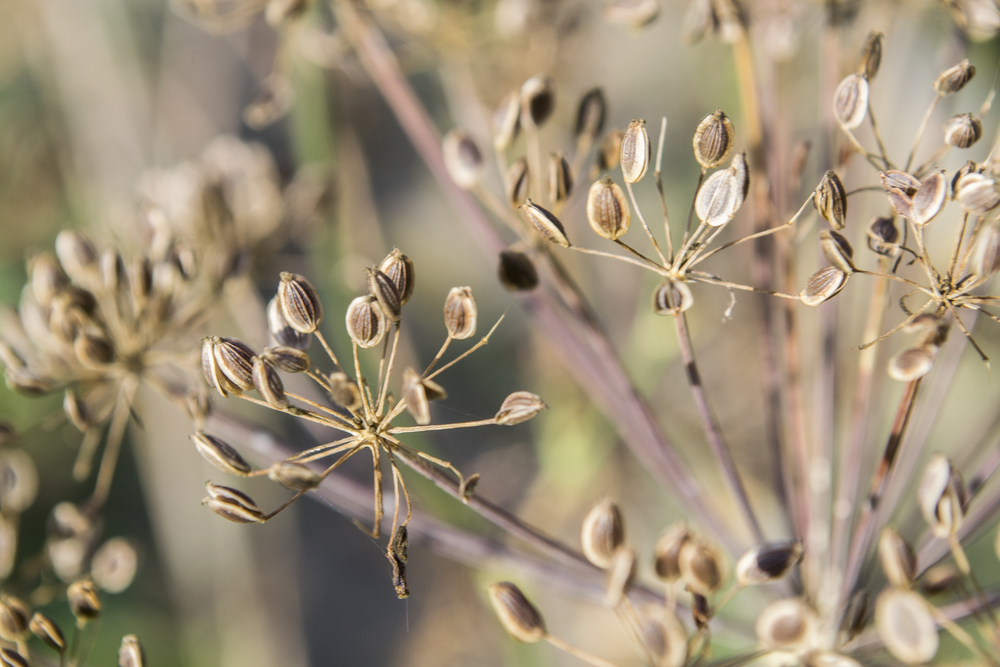
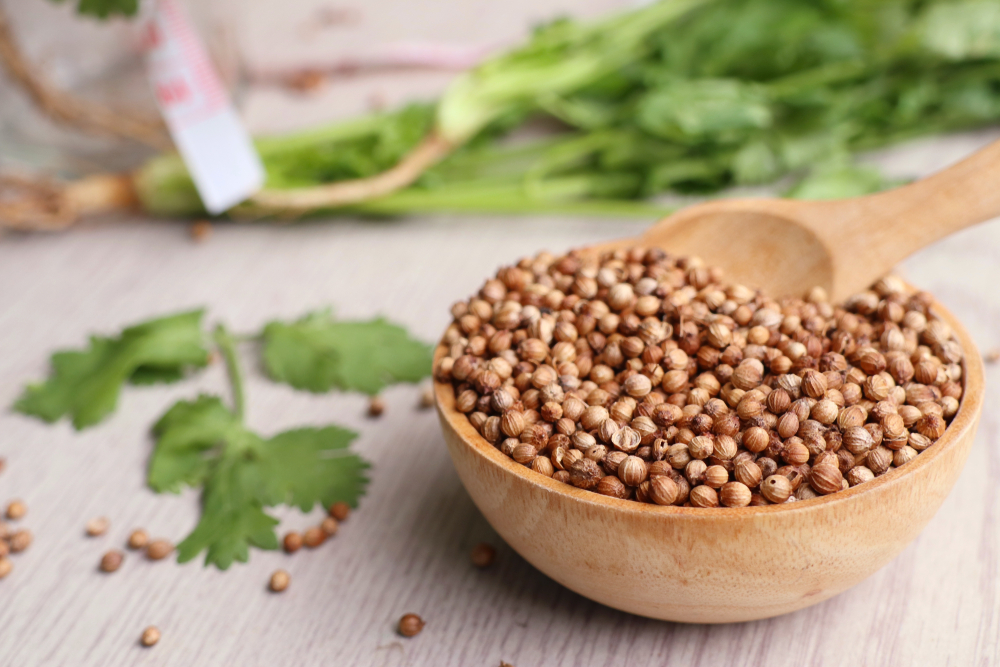
Coriander (those little round seeds) packs an aromatic, citrusy punch with hints of sweetness. It’s absolutely incredible with egg dishes and fish, and may revolutionize your pickle game.
The Exotic Adventures
Want to feel like a world traveler without leaving your kitchen? Chinese Five Spice Powder blends Szechuan peppercorns, star anise, cassia, fennel, and clove to create warm, licorice-magic flavors with cool, peppery notes. One whiff whisks you straight to a bustling Beijing market.
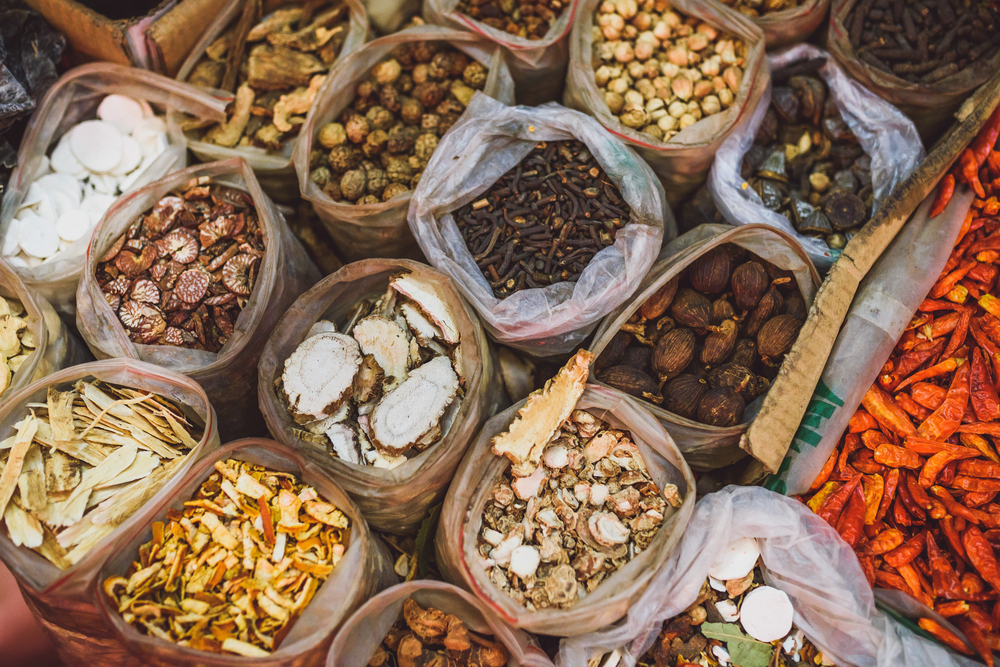
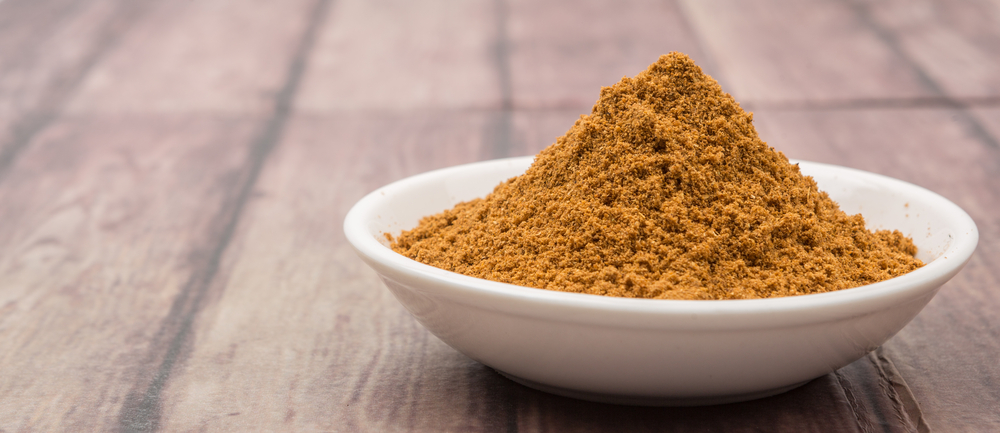
Garam masala is India’s gift to quick cooking—it’s perfect for adding maximum flavor in minimum time. Swirl it into yogurt with mango chutney for an instant dipping sauce that’ll blow your mind.
Jerk spices from Jamaica mix salt, cayenne, cumin, smoked paprika, cinnamon, garlic powder, onion powder, and thyme. The result is a complex, zesty, slightly sweet explosion of flavor. Your grill will never be the same.
Insider Secrets: How to Cook Like a Spice Master
Want to know the difference between amateur and expert spice use? It’s all about the insider tricks that professional chefs guard like state secrets.
The Golden Rules
- Here’s the game-changer: buy whole spices and grind them yourself. Seriously, this one change will make people think you’ve been taking secret cooking classes. Pre-ground spices are like three-day-old coffee. They’re still the same thing, but missing all the magic.
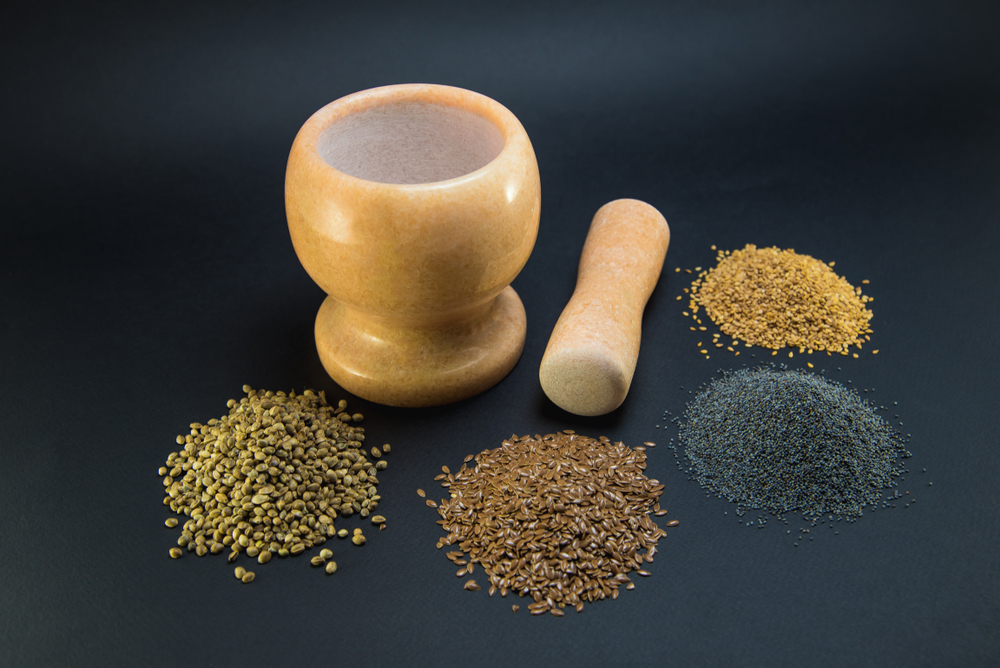
2. Trust your taste buds over measuring spoons. Spice potency varies a lot. What worked last month might need tweaking today. Taste, adjust, and taste again—it’s the only way to build real cooking confidence.
Timing Is Everything
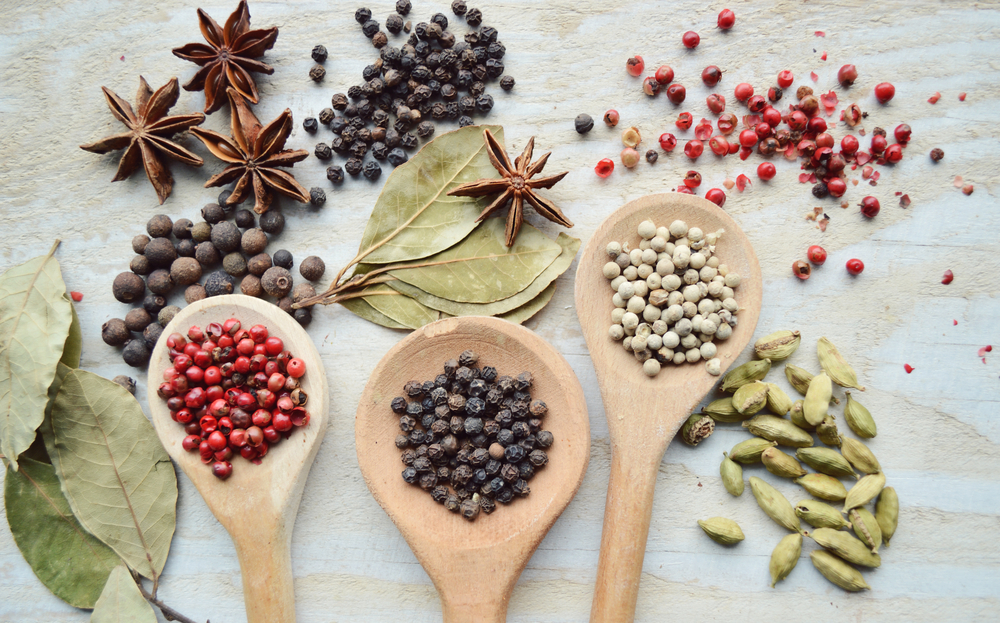
Most hard spices like to start early in the cooking process so they can release their full flavors. Some blends, like garam masala, or soft, leafy spices such as marjoram, are best added at the end to preserve their aromatic complexity.
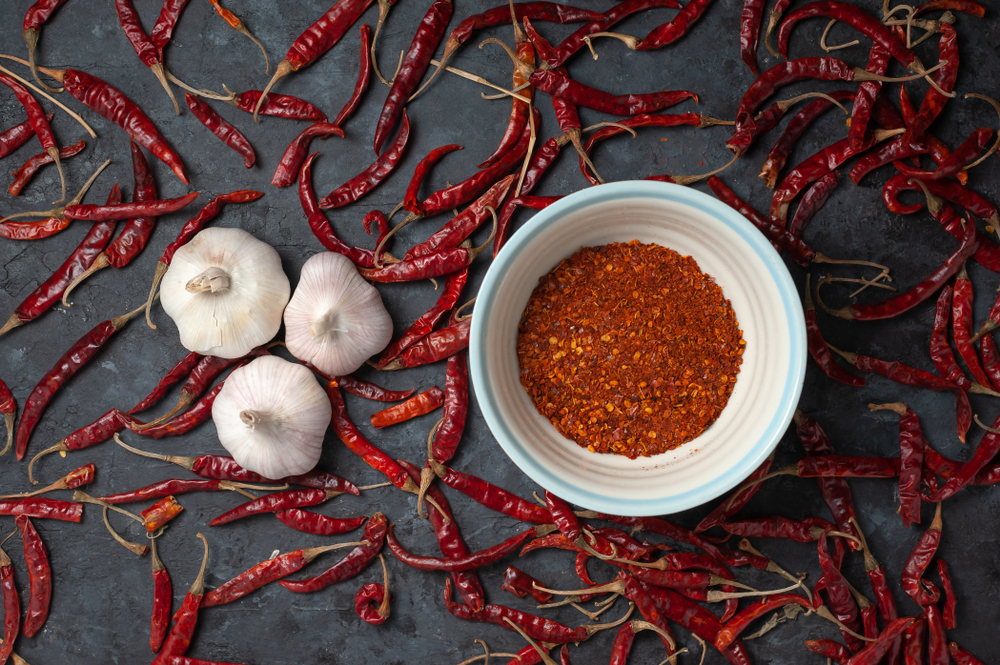
Temperature control separates pros from amateurs. Low heat lets spices slowly release their flavors, creating complex, integrated flavors. Rush them with high heat, and they can turn bitter. Never throw chili, garlic, curry, or paprika into bubbling hot oil—it’s a one-way ticket to Bitter City.
Rescue Operations
Did you make your dish too spicy? Don’t panic! Add acid (lemon, lime, or vinegar), salt, or something sweet (sugar or honey) to balance the heat. It’s like having a culinary first aid kit.
For cold dishes, add your spices early—before serving. They need time to work their magic. Here’s a pro tip: when using strong spices like curry and cinnamon, go easy on the salt. Otherwise, you might end up with an oversalted dish.
Real-World Spice Magic: Recipes That’ll Change Your Life
Transform Your Soups
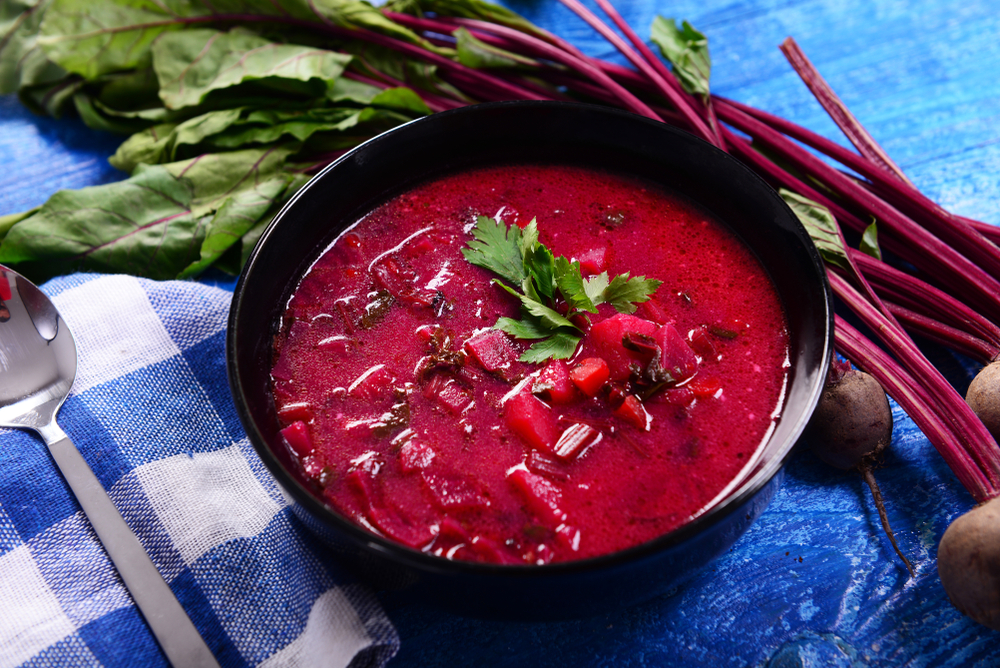
Coriander makes beetroot soup sing when paired with cumin and hazelnut dukkah. Chili powder transforms simple aubergine into restaurant-worthy veggie chili. Garam masala turns ordinary broccoli with paneer into something exceptional.
Meat That Matters
Poultry spice blends—thyme, sage, marjoram, rosemary, pepper, and nutmeg—create herbaceous, earthy flavors. Use them on chicken, fish, pork, stuffing, and casseroles. Jamaican jerk spices make incredible dry rubs and marinades. Your neighbors will ask for your secret.
International Passport in a Jar
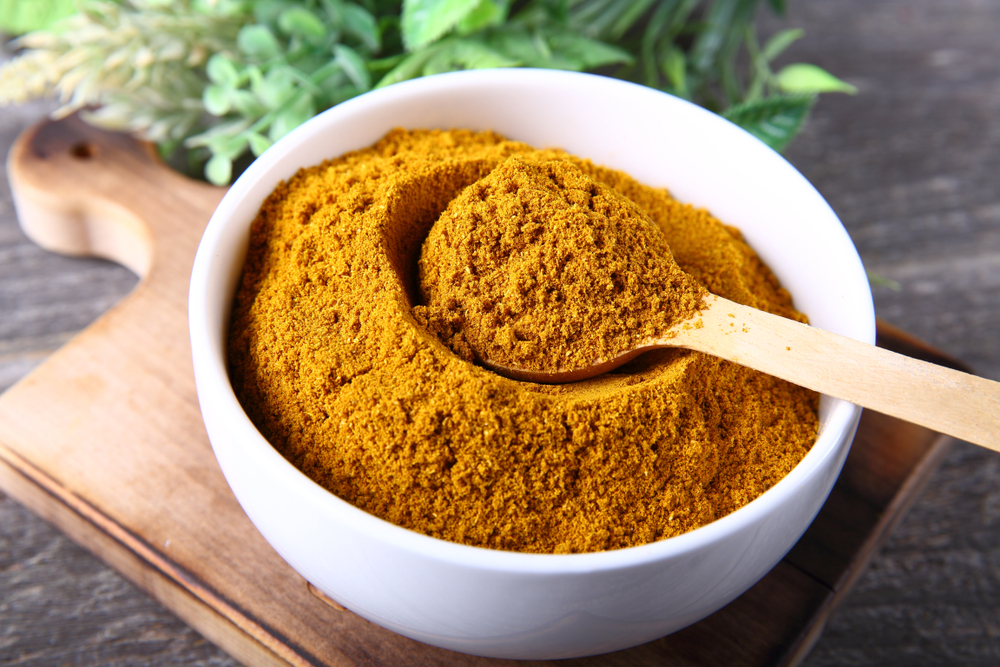
Curry powder—blending coriander, turmeric, cloves, pepper, garlic, cumin, salt, allspice, and mustard—unlocks authentic Indian flavors. Pickling spice—combining bay leaf, mustard seeds, peppercorns, and allspice—creates perfect vegetable and meat brines.
Creative Genius Moves
Think beyond savory: coriander adds an amazing kick to orange drizzle cake. Fennel seed transforms homemade bread and makes Italian sausages sing.
Start Your Spicy Journey Now
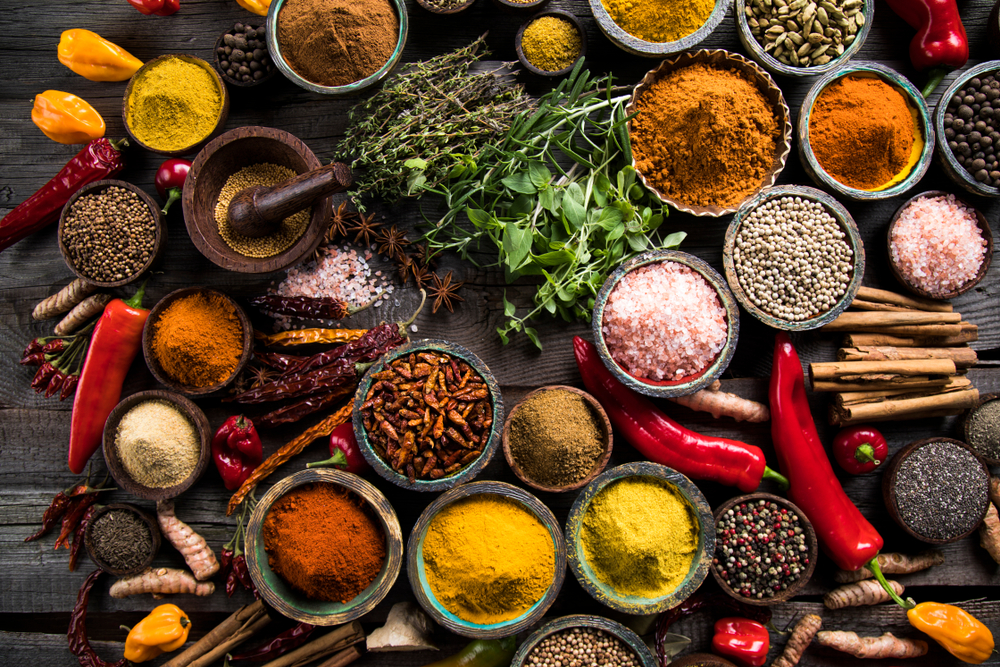
You’ve just unlocked the historic secrets to boosting your cooking with spices. Remember: start exploring, trust your taste buds, and see each jar as a chance for your next delicious adventure. Every meal has the potential to become something extraordinary when you harness the power of spices—and that’s the main takeaway: spices transform ordinary food into exciting creations.
Share this:


Leave a Reply